

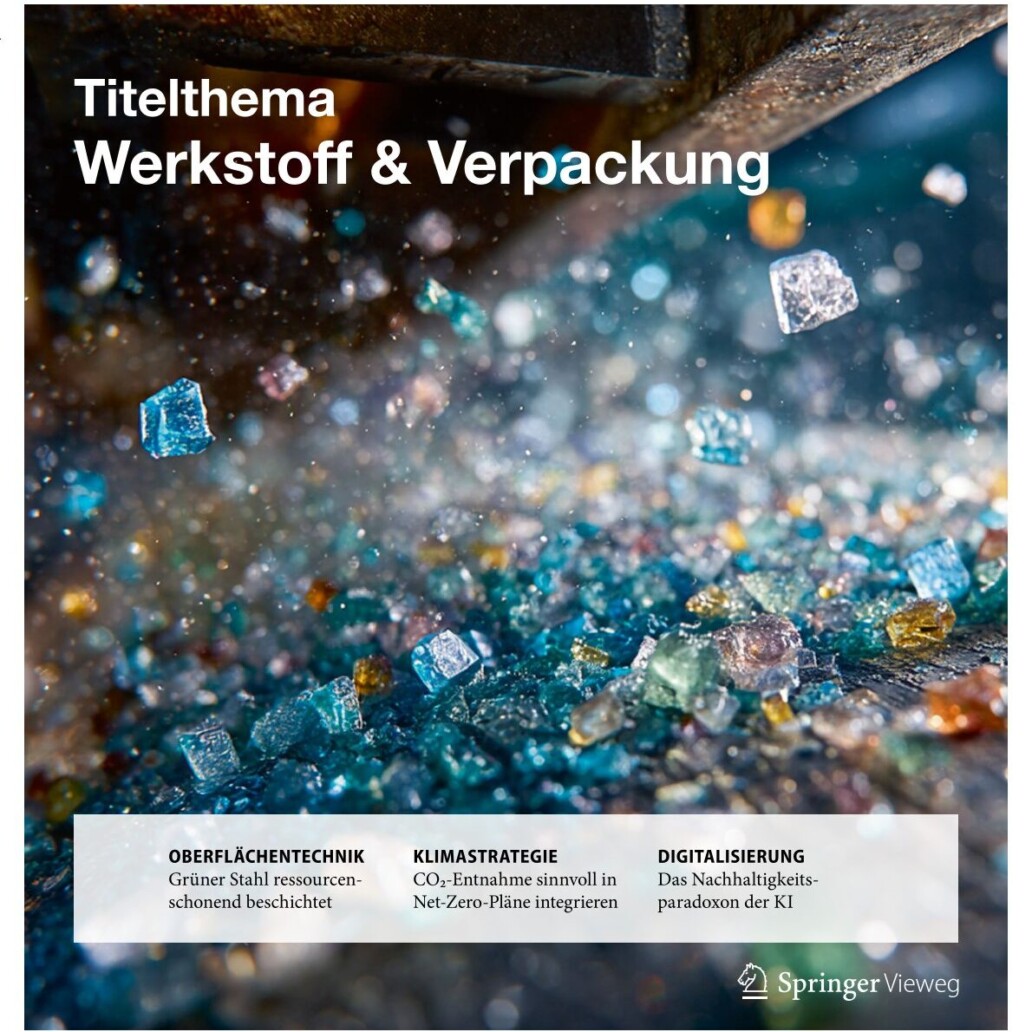
Nachhaltige Industrie 3/2026: Spotlight on Materials & Packaging
News 2026
Plastic has revolutionised our everyday lives: lightweight, versatile, inexpensive. But the material also has its downsides, and the answer cannot lie in ever more recycling alone. This issue therefore asks a more fundamental question: How can the use of materials and packaging be made more efficient overall? After all, companies decide on materials, packaging and product design, and in doing so shape a product’s ecological footprint across its entire life cycle. The cover story shows how businesses are already rethinking their material flows, and that the transformation is well under way.
Two contributions from our institute have also been published in this issue.
“Autumn of Reforms”: Column by Prof. Faulstich
In his column, Prof. Dr. Martin Faulstich, Editor of Nachhaltige INdustrie, takes up the German federal government’s motto and asks a question that deserves to be asked more often: Why are growth and climate protection always demanded separately from one another? He looks at the current reform debate and points out that there is no shortage of ideas and recommendations. Read the column to find out which reforms he considers most urgent and what role he assigns to business.
Reusable Transport Packaging for Efficient Supply Chains
Our research associate Konstantin Saure turns to an area that is often overlooked: transport packaging. Transport packaging made of paper, cardboard and corrugated board alone accounts for around one fifth of all packaging waste in Germany. Can reusable systems offer an alternative here, and what does this mean for companies and their supply chains? The article examines examples from retail and industry and addresses three aspects: protection of goods, flow of goods and transparency in the supply chain. The article reveals which opportunities, but also which challenges, emerge.
Konstantin Saure is a scholarship holder and research associate at the INZIN Institute. As part of his doctorate, he researches resource strategies for cities in Germany.
Order the Issue
Curious? You can order the current issue as well as previous issues of Nachhaltige Industrie via our website: NI 2026_01 Kreislaufwirtschaft – Wege zur zirkulären Wertschöpfung – INZIN Institut. We wish you an inspiring read!

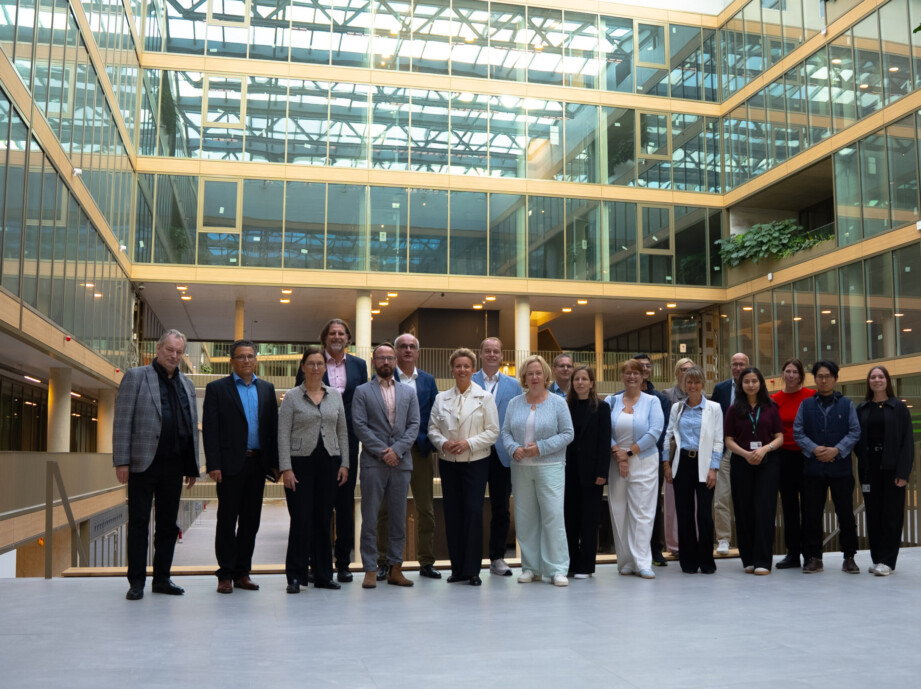
Minister Brandes at the EUREF Talent Campus Düsseldorf
News 2026
A Campus as a Living Lab
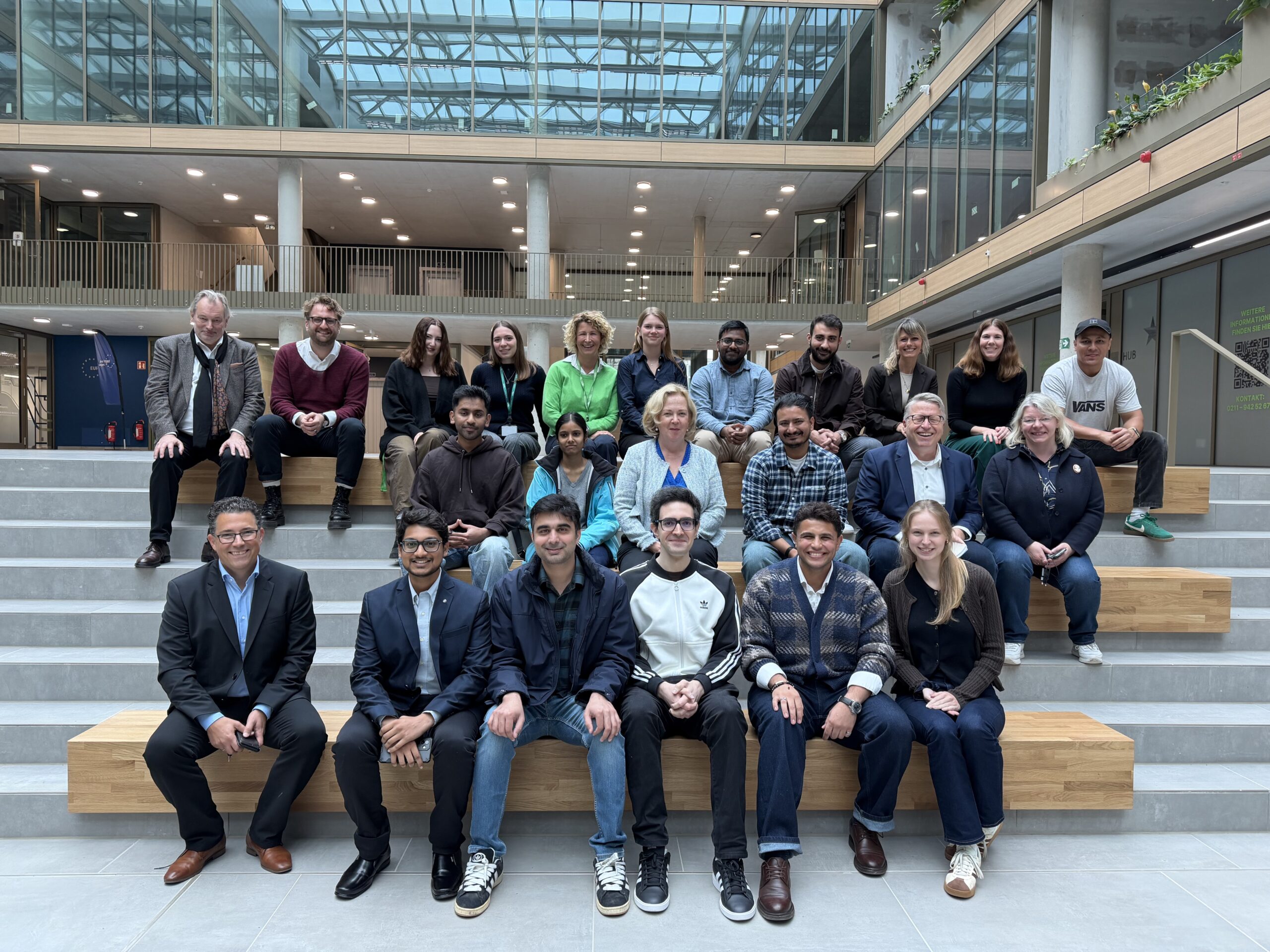
The EUREF Talent Campus in Düsseldorf is regarded as a living lab for the energy transition. Science, industry, and politics exchange ideas here, and students work on real-world tasks from companies. This is exactly what the Minister wanted to see for herself. She began with a tour of the CO₂-neutral campus grounds. Her host was Karin Teichmann, Member of the Executive Board of EUREF AG. Prof. Martin Faulstich also took part in the visit.
Studying with a Practical Focus
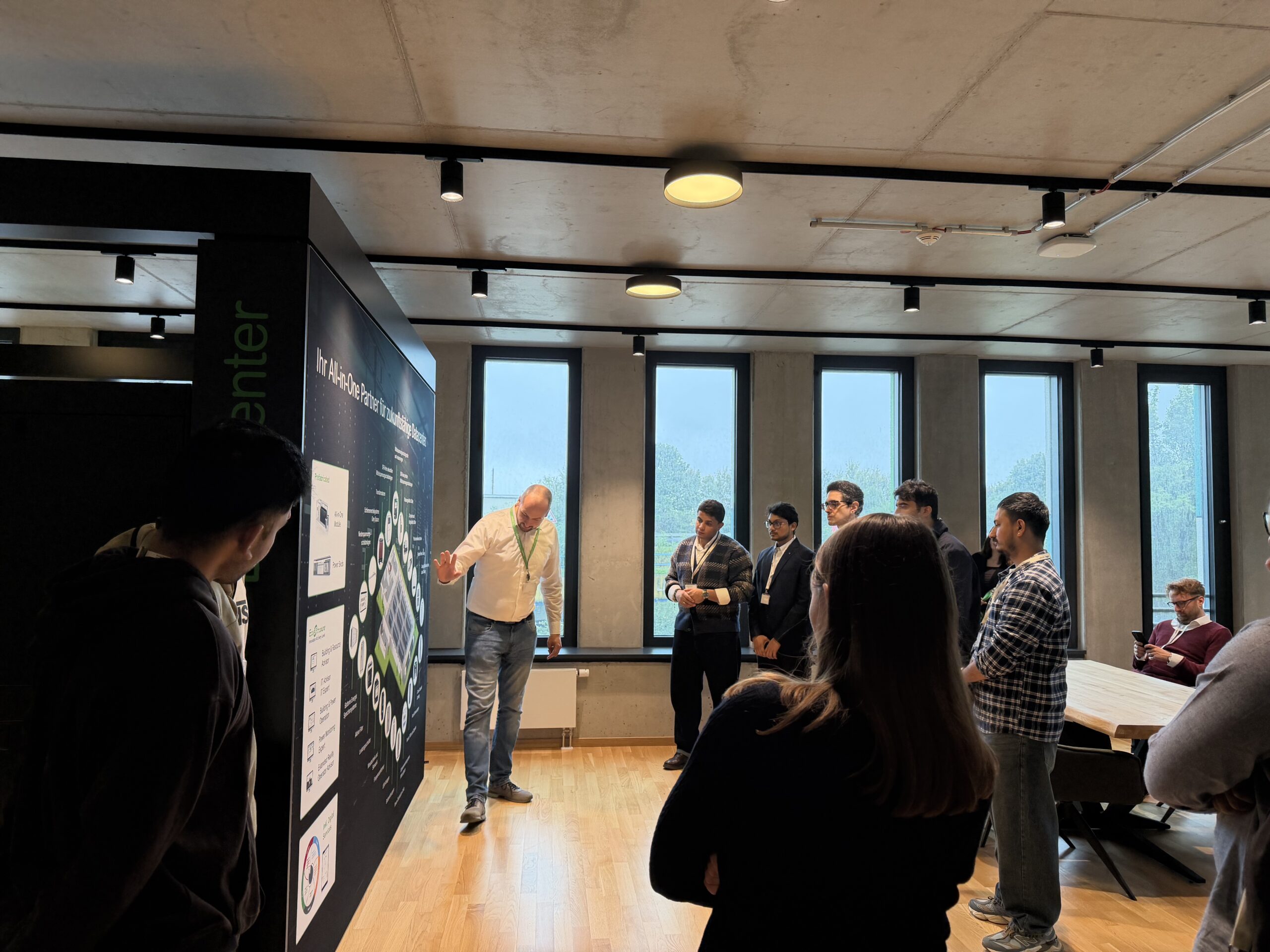
The English-language master’s programs are aimed at international students. They are organized by the International Academy for German Engineering & Science (IAGES). Participating institutions are the University of Duisburg-Essen, Ruhr University Bochum, TU Dortmund University, and Düsseldorf University of Applied Sciences. Two programs are already running, one on sustainable energy systems and one on energy and hydrogen infrastructures. Students take on projects with industry partners such as Schneider Electric and SPIE at an early stage.
Conversation with the Students
The conversation with the students was the highlight of the visit. Minkun Kim and Manahil Khan presented their practical projects. The Minister asked about their paths to Düsseldorf and was impressed by their international backgrounds and commitment. Stefan Deibel from SPIE also described how the company is training much-needed skilled professionals for the energy and mobility transitions on the campus.
A Growing Offer
For 2027, the University of Duisburg-Essen is planning a new master’s program in sustainable logistics (“Sustainable Logistic Solutions”), which Prof. Dr. Ellen Enkel presented. A further degree program on the sustainable planning, construction, and operation of buildings is also planned. In the long term, the campus is intended to establish itself as a meeting place for students, researchers, and companies.
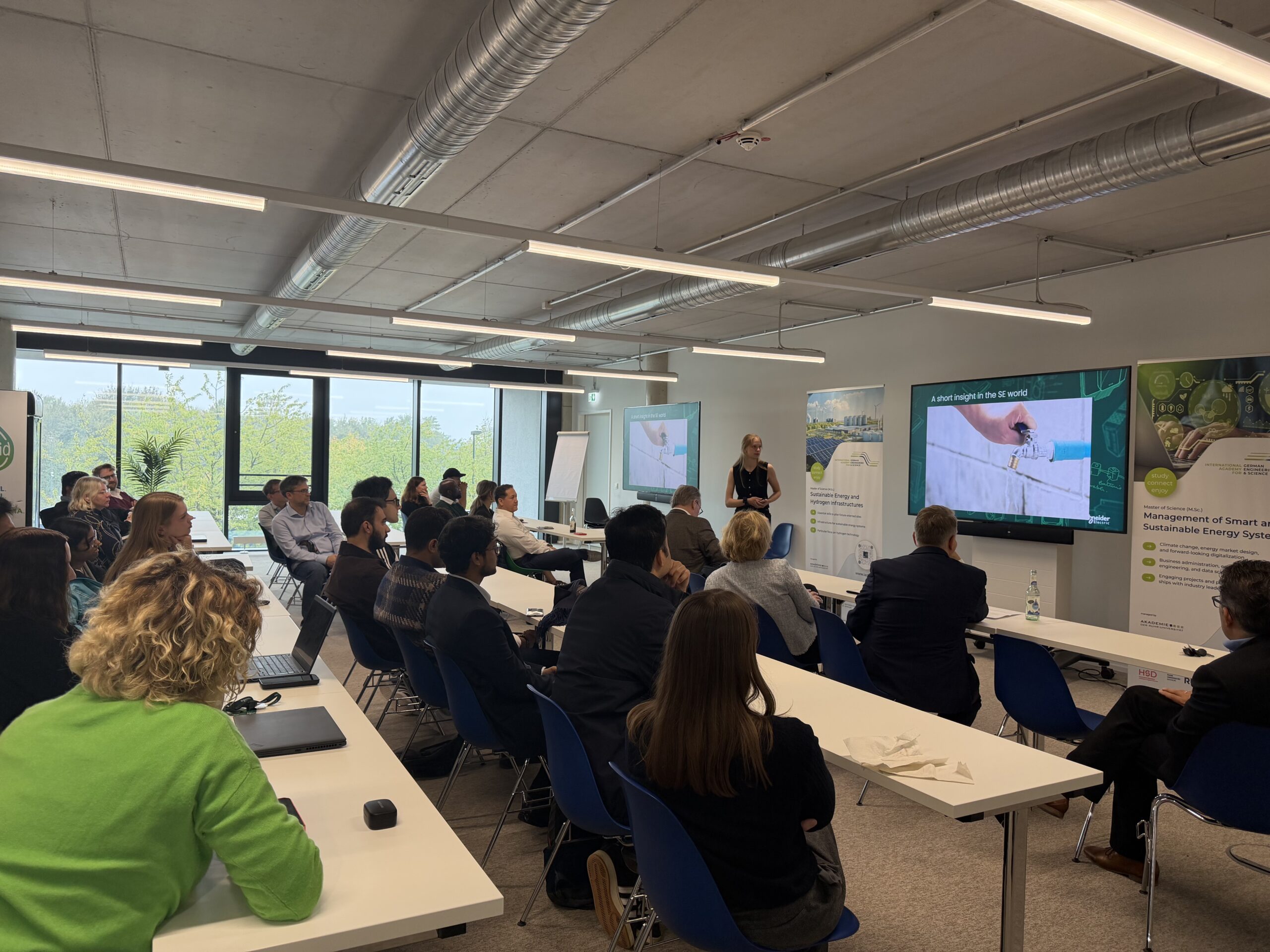
BET Energy Forum 2026 in Aachen
News 2026
Two days full of inspiration for the energy transition
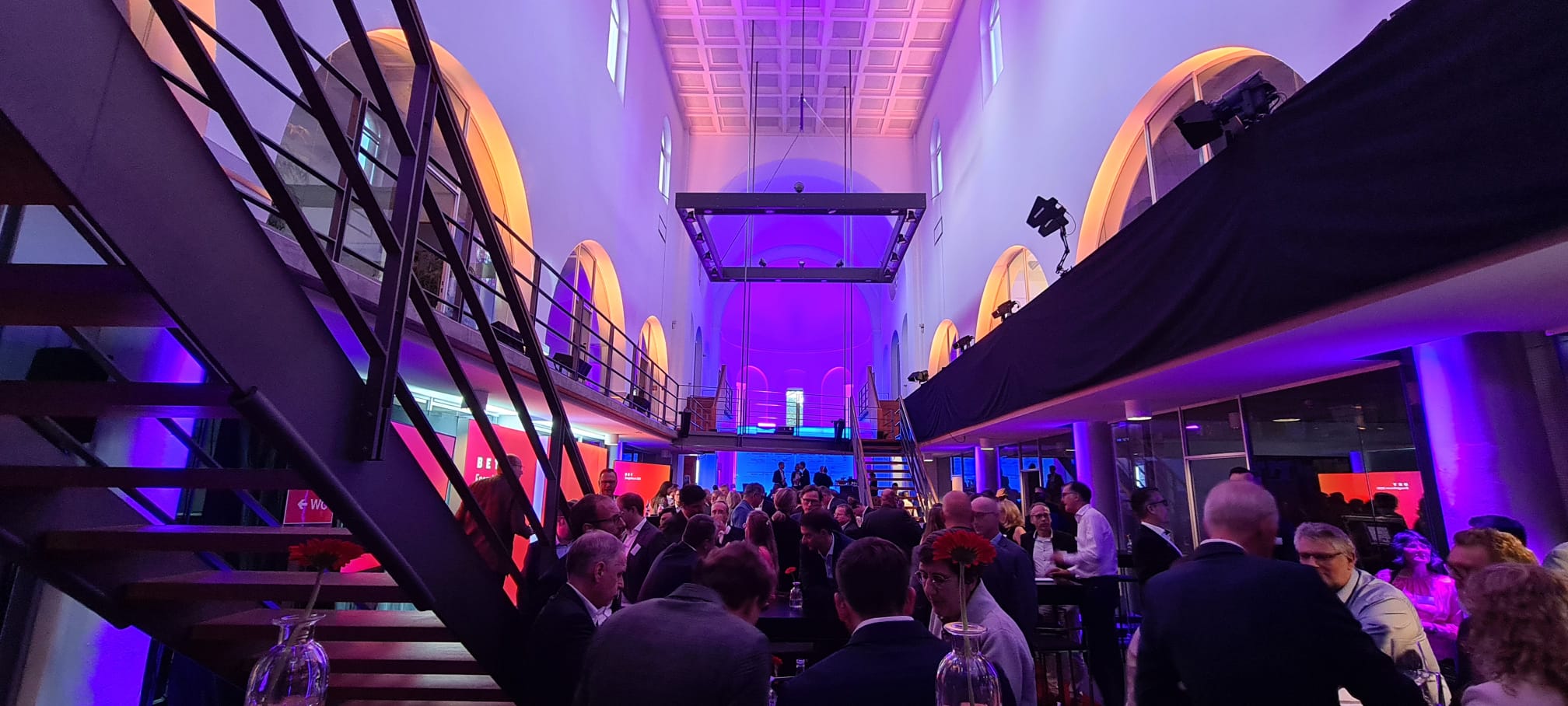
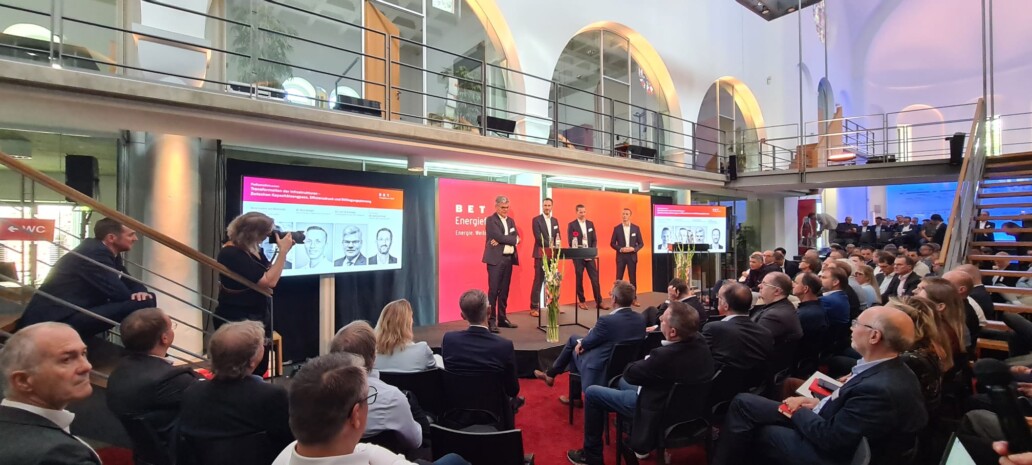
Around 200 participants, three specialist sessions and eight workshops: this week, the BET Energy Forum 2026 in Aachen once again provided a major platform for guidance and discussion on the future of the energy sector. Our own Prof. Martin Faulstich was also in attendance on both days.
Day 1: Grid expansion, infrastructure and collaboration
The first day focused on grid expansion, security of supply and regulation; on the transformation of infrastructure in the face of capacity constraints and pressure to improve efficiency; and on why collaboration is essential for the energy and heating transition – particularly with regard to the role of small and medium-sized municipal utilities. To round off the day, volcanologist and documentary filmmaker Ulla Lohmann took the participants on a journey to the crater lake of an active volcano in her dinner speech.
Day 2: Practical discussions in eight workshops
On the second day, the focus was on professional exchange in smaller groups. Eight parallel workshops covered topics including the EEG 2027 and the Grid Package, strategic long-term planning, financial planning, and the impact of the Heating Package on the heating market.
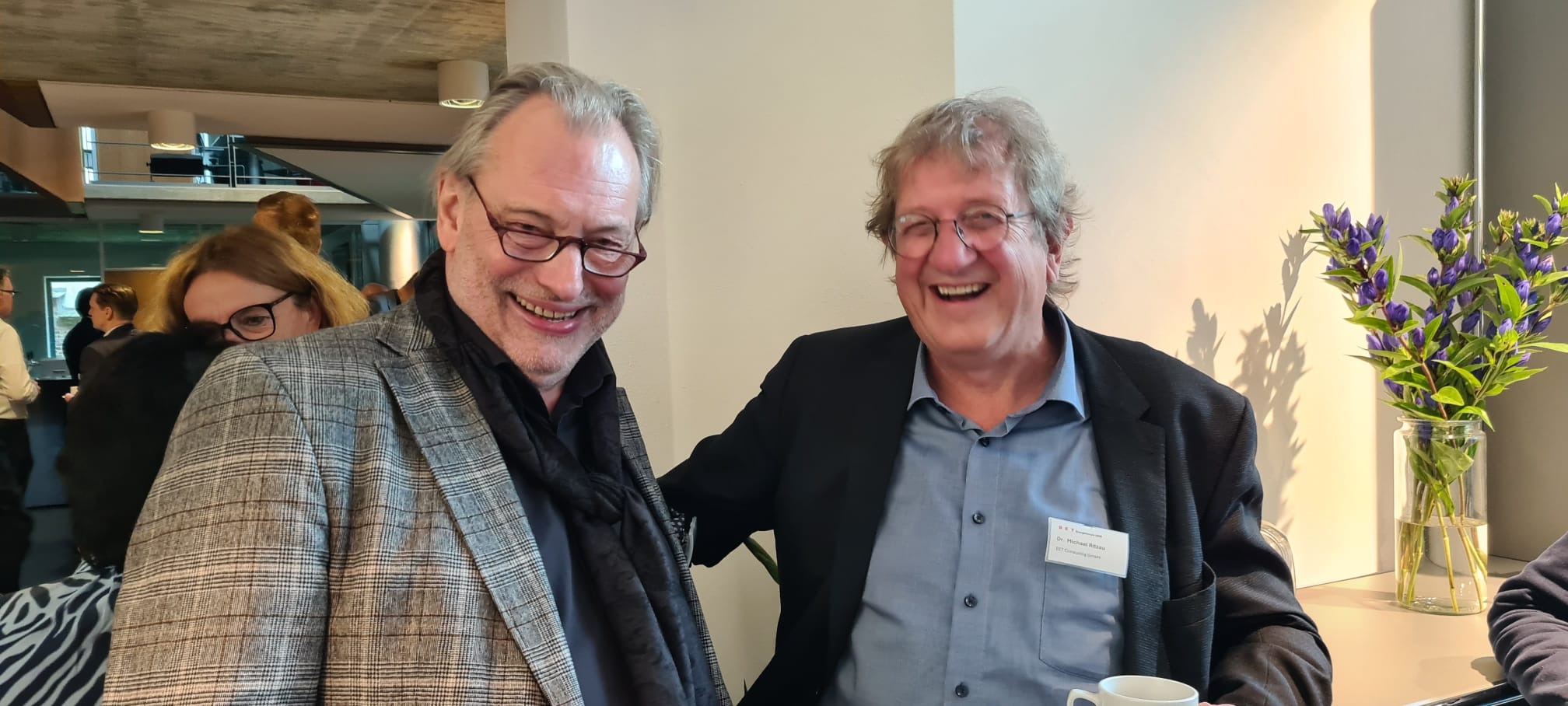
Between the technical sessions, Prof. Faulstich also enjoyed a lovely reunion with BET founder Michael Ritzau.
In November 2026, BET will once again be hosting its online forums, where the workshop topics will be continued digitally. Many thanks to BET Consulting for two inspiring days full of insightful perspectives!
Annual General Meeting, Forum & Summer Party 2026
Annual General Meeting, Forum & Summer Party 2026
Exchange in a Relaxed Atmosphere on the Rhine
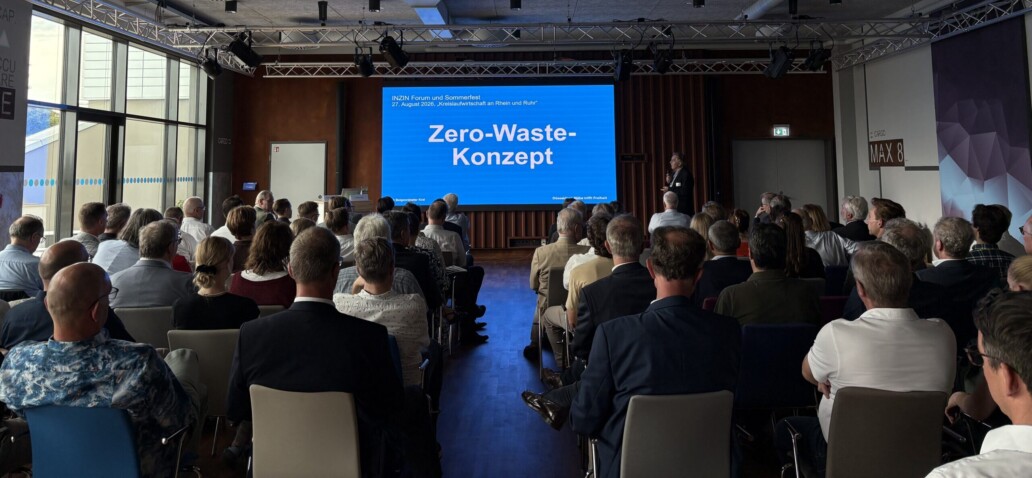
On August 27, our annual General Meeting and Summer Party took place at Rheinblick 741 in Düsseldorf. This year, around 100 guests attended, which we were very pleased about.
Following our 7th ordinary General Meeting, the event continued with our forum “Circular Economy on the Rhine and Ruhr.” The forum was moderated by Professor Faulstich. Speakers from politics, science, and business presented innovative ideas and current approaches to municipal circular economy from different perspectives:
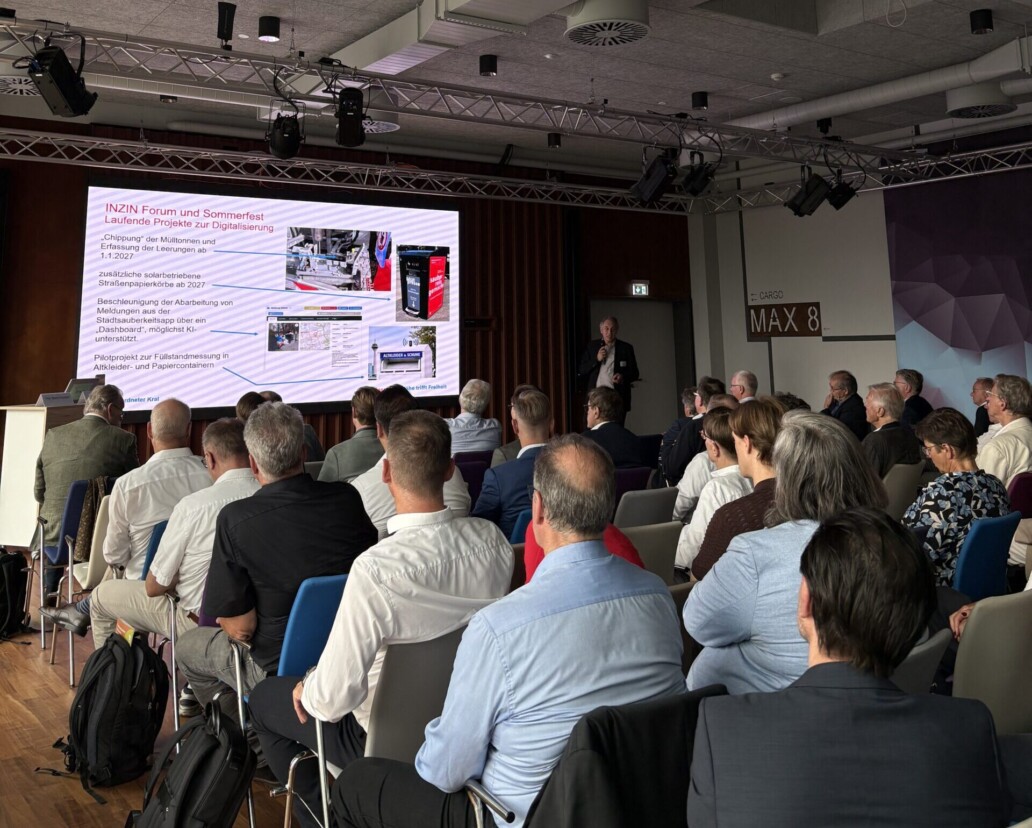
Jochen Kral, Deputy Mayor for the Environment of the state capital Düsseldorf, showed how the city supports charitable waste collection campaigns and waste prevention measures. He also gave insights into the city’s approaches to decarbonizing and digitalizing Düsseldorf’s waste management.
In the following presentation, “The Future of Packaging,” our doctoral candidate Konstantin Saure addressed the potential for waste prevention in urban areas and gave an outlook on future applications of reusable systems in retail.
Prof. Dr. Rainer Wallmann, Chairman of the Management Board of EDG Entsorgung Dortmund GmbH, then demonstrated how innovative approaches can be put into practice. He presented alternative methods for recycling foliage, the conversion of vehicle fleets to climate-friendly drive systems, and the development and implementation of the Dortmund-Nordost Landfill Energy Park.
Finally, Dr. Armin Vogel of dravo Consult, with his presentation “Recyclable Material Return with Citizen Incentives,” offered a deliberately disruptive perspective on waste fees and collection systems, providing an exciting impetus for discussion on how the circular economy can be rethought in the future.
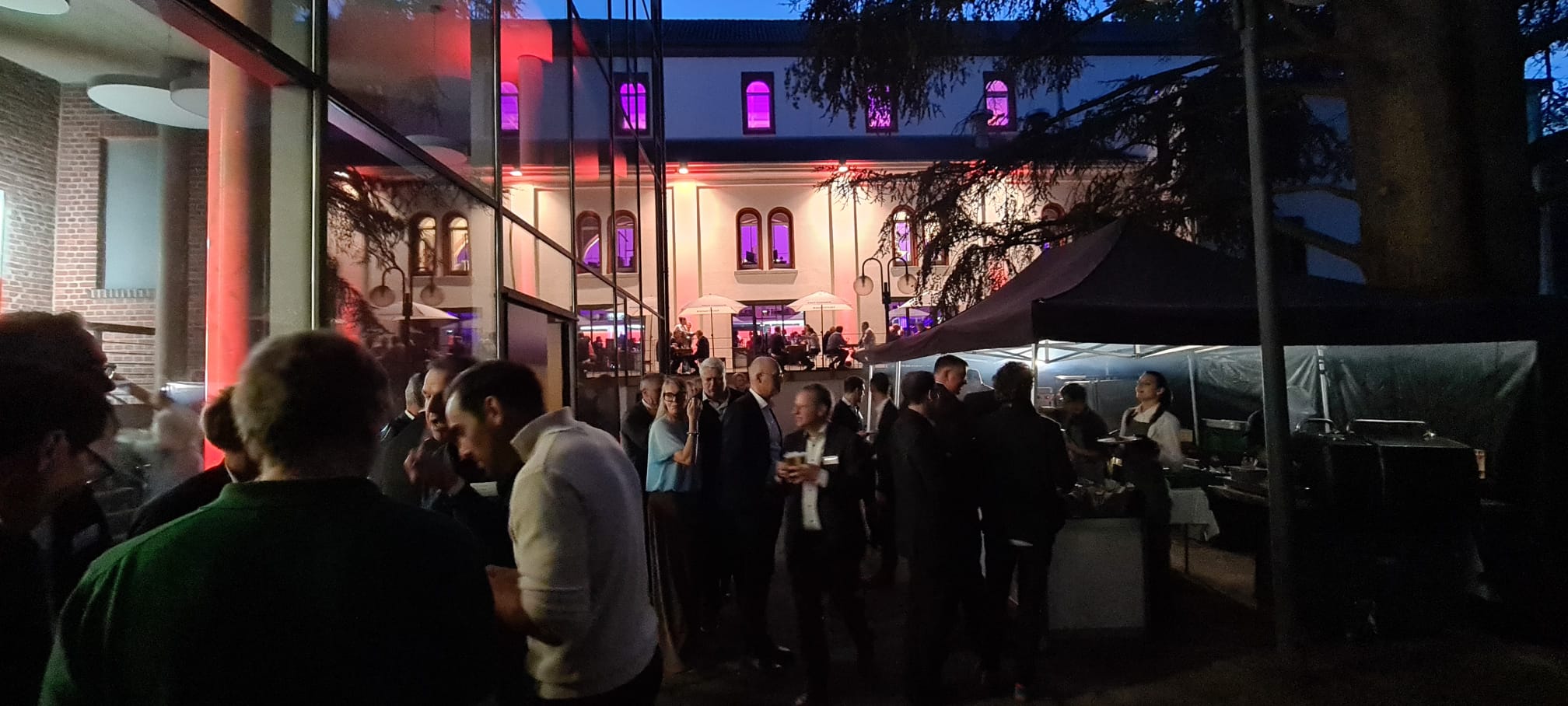
The day concluded with the Summer Party right on the banks of the Rhine: amid food, drinks, summery temperatures, and a relaxed atmosphere, members and guests took the opportunity to exchange ideas, make new contacts, and round off the evening together.
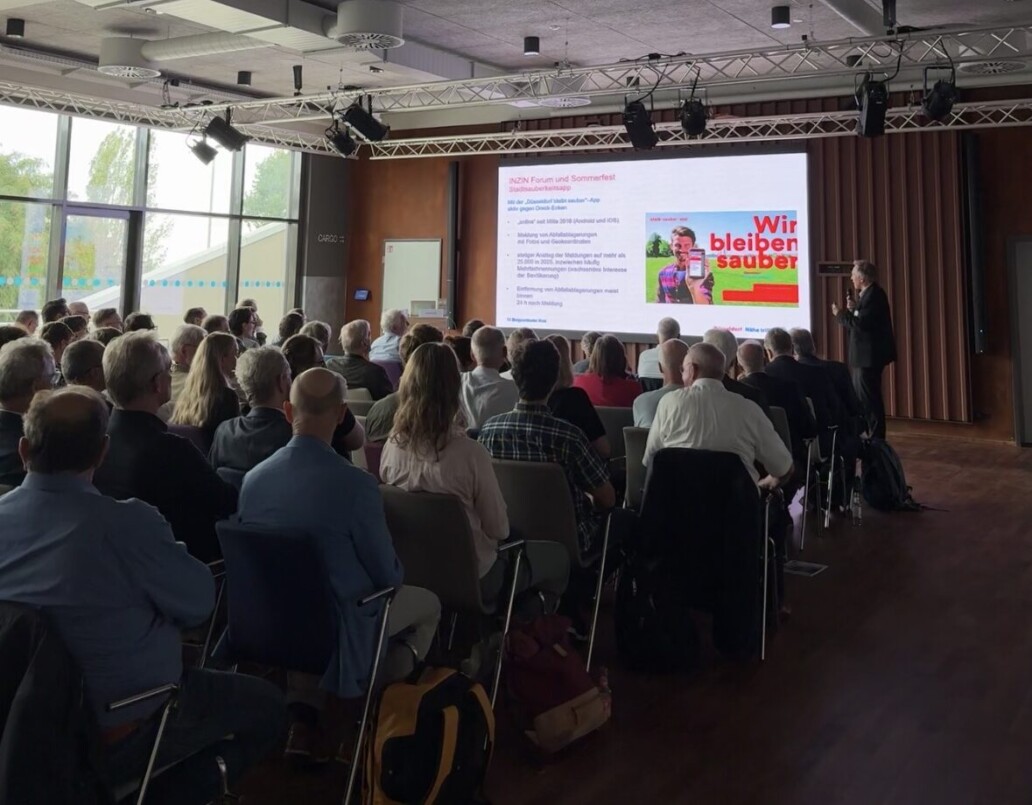
We would like to sincerely thank the members and guests for their participation, the speakers of the forum for their presentations, and everyone who contributed to the success of the day.
Circular Economy in Focus: The INZIN Institute at IFAT 2026
News 2026
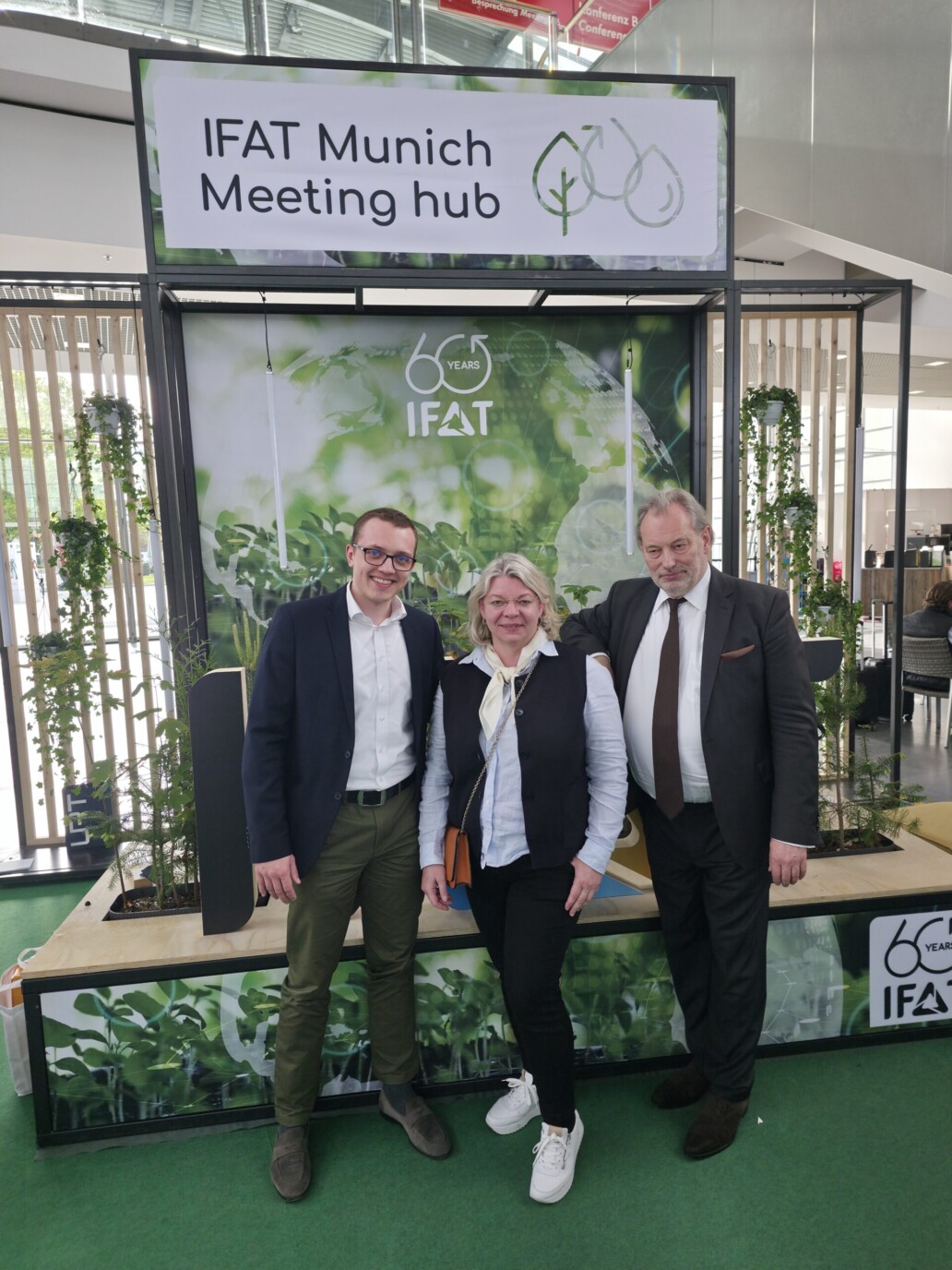
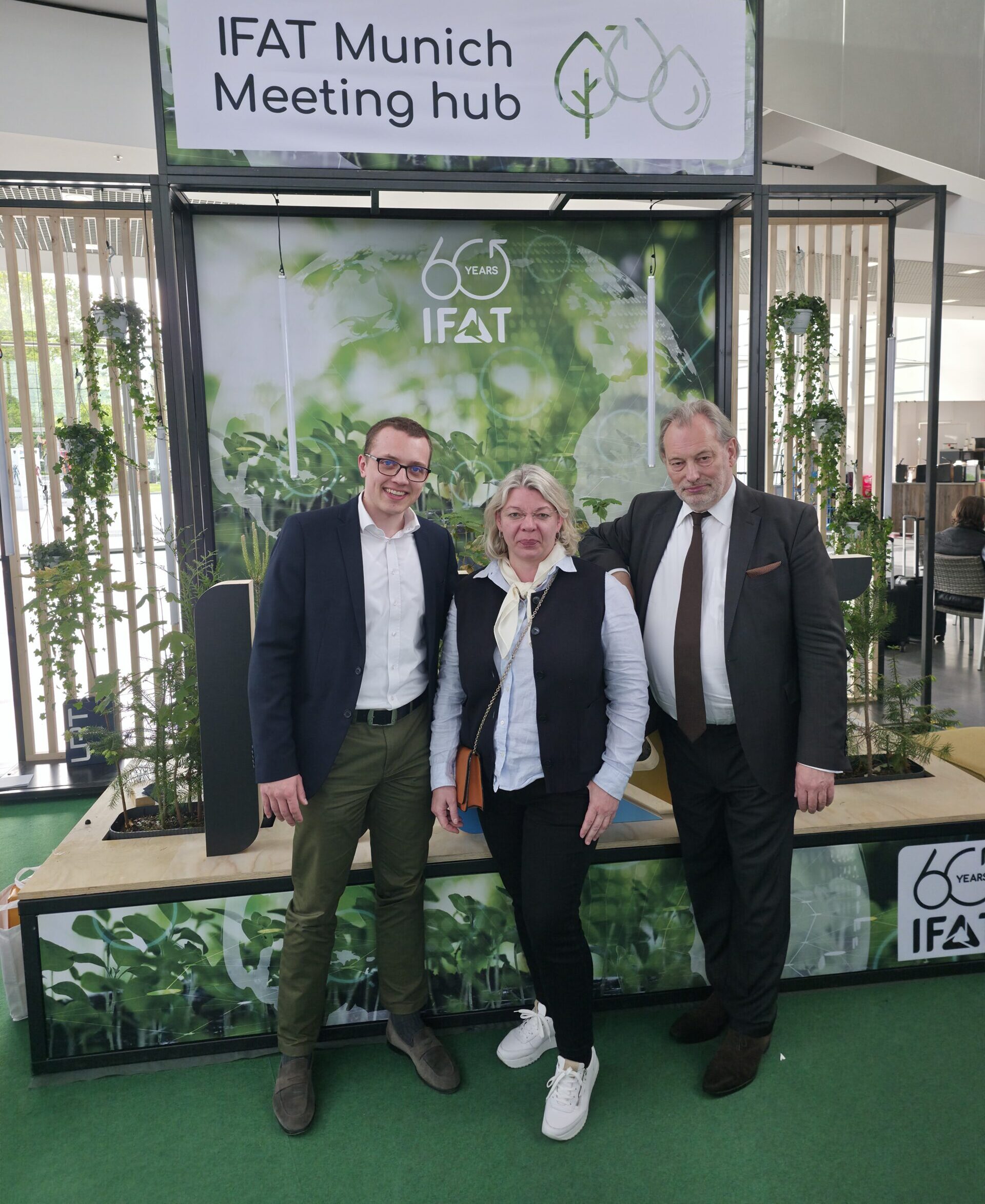
This year’s IFAT fair in Munich once again offered great opportunities to learn more about circular economy trends and to exchange ideas with industry stakeholders. Last week, the INZIN Institute was represented at the fair with a comprehensive program.
On the first day of the fair, a successful Career Day was held in collaboration with EEW, attended by over 40 students, doctoral candidates, and faculty members from Darmstadt University of Applied Sciences, the University of Augsburg, and the Karlsruhe Institute of Technology (KIT).
On Wednesday, Prof. Faulstich took part in a panel discussion organized by the BDE on the topic of “Circular Economy for Germany as an Industrial Location,” alongside senior executives and representatives from Remondis, Mercedes-Benz Trucks Deutschland, PreZero, and the BDI initiative “Circular Economy.”
On the final day of the fair, Professor Faulstich and Jochen Hoffmeister of Prognos AG presented the Roadmap 2045 on behalf of ITAD, offering insights into the “Perspectives of Thermal Waste Treatment in the Context of the Circular Economy.”
We would like to sincerely thank our partners for the many formats, and we are already looking forward to the next IFAT.




Visit to Freiburg
Visit to the Environmental Office and Waste Management Operations Freiburg
Insights into Waste Management and Street Cleaning
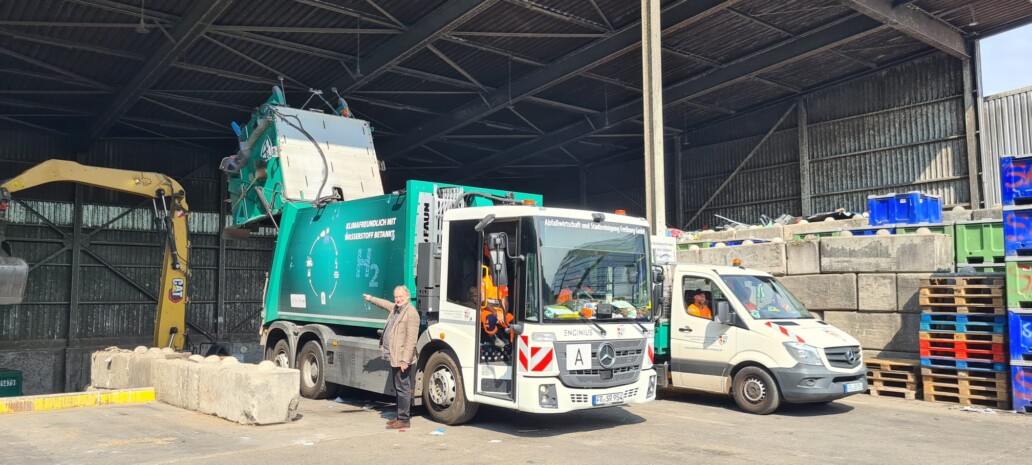
In mid-July, Dr. Ewa Harlacz and Prof. Martin Faulstich of the INZIN Institute visited the Environmental Office as well as the waste management operations of the city of Freiburg. The focus of the expert visit was a tour of the facilities of Abfallwirtschaft und Stadtreinigung Freiburg GmbH (ASF), where the participants were able to gain firsthand insight into the operational processes.
Particularly impressive was the fleet of hydrogen-powered waste collection vehicles operated by ASF. It vividly demonstrates how climate-friendly drive technologies are already proving themselves today in the demanding day-to-day operations of waste collection, representing an important building block on the path toward more sustainable street cleaning. The use of these vehicles also underscores ASF’s commitment to gradually making its vehicle fleet more climate-friendly while meeting the high requirements for reliability and range in daily collection operations.
A special thanks goes to Managing Director Michael Broglin for the warm welcome and the fascinating insights on site.